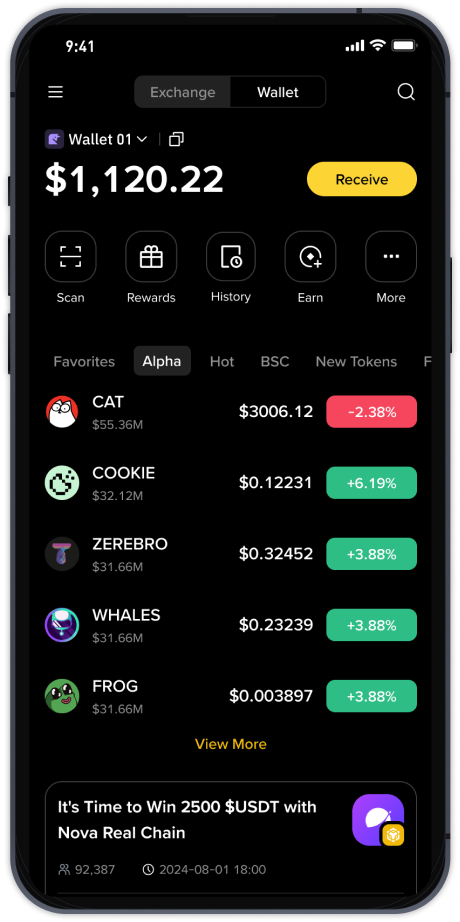
How to Open a USDC Account in Hong Kong: A Complete Guide for 2024

In the dynamic financial landscape of Hong Kong, opening an account to hold and transact in USDC (USD Coin) has become a key step for individuals and businesses seeking exposure to digital assets. Unlike traditional bank accounts, the process revolves around selecting a licensed and compliant virtual asset service provider. The primary requirement is choosing a platform authorized by the Hong Kong Securities and Futures Commission (SFC) to conduct regulated activities involving virtual assets. This ensures your funds are handled within a legal framework that prioritizes security and compliance.
The core personal requirements are straightforward but essential. You must be at least 18 years old and undergo a rigorous identity verification process, commonly known as Know Your Customer (KYC). This involves submitting a clear copy of your Hong Kong Identity Card or a valid passport for non-residents, along with proof of address, such as a recent utility bill or bank statement. Furthermore, due to Hong Kong's strict anti-money laundering (AML) regulations, you may be asked to provide information about the source of your funds and the nature of your intended transactions.
For corporate entities looking to open a USDC account, the requirements are more complex. In addition to company registration documents and proof of business address, platforms will require details of all significant beneficial owners and directors. These individuals must also complete personal KYC checks. The company may need to outline its business model and explain its purpose for using stablecoins. Partnering with an SFC-licensed exchange or custodian is not just a recommendation but a critical necessity for institutional players to ensure full regulatory compliance.
Once your chosen platform approves your application, you can fund your account. Typically, you can deposit Hong Kong dollars (HKD) via bank transfer or other payment methods to purchase USDC, or you may transfer existing USDC from another self-custody wallet to your new account. It is crucial to understand the fee structure, including trading, withdrawal, and custody fees, which vary by provider. Finally, implementing robust security practices, such as enabling two-factor authentication (2FA) and using withdrawal whitelists, is a fundamental requirement for safeguarding your digital assets in Hong Kong's burgeoning Web3 ecosystem.